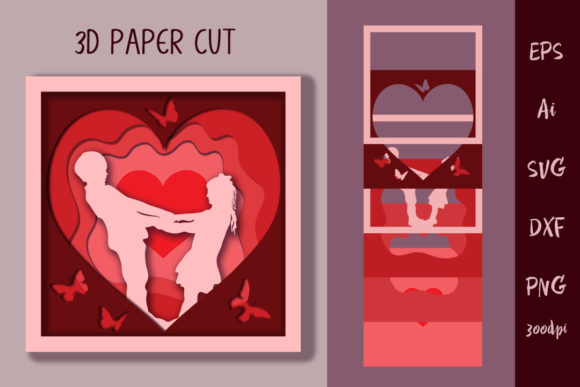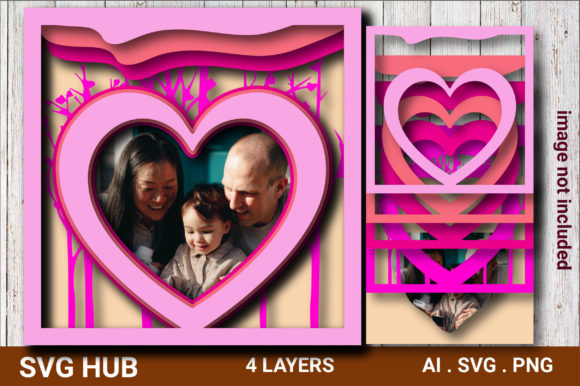
Valentine's Day Photo Lightbox: A Designer Review
First Impressions: Evaluating the 3D SVG Structure
As a professional embroidery digitizer and product reviewer, I approach every new machine embroidery design with a critical eye toward constructability and marketability. When evaluating the Valentine s Day Photo Lightbox, my first focus is not just the romantic aesthetic, but the structural integrity of the file itself. This asset is categorized under Shadow Boxes and provided as a 3D SVG, which immediately signals that this is intended for layered paper crafting or dimensional lightbox projects rather than traditional flat stitching. However, for those of us in the craft business who bridge the gap between digital cutting and embroidery, understanding how these layers translate to thread is vital.
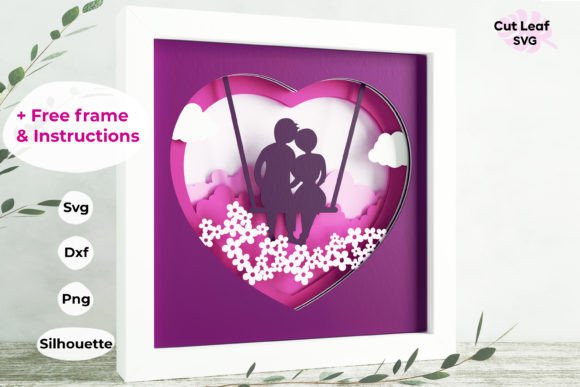
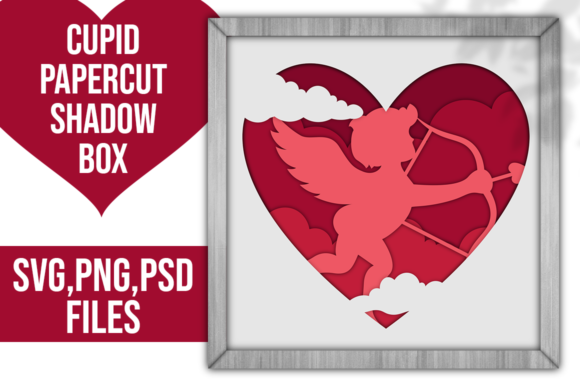
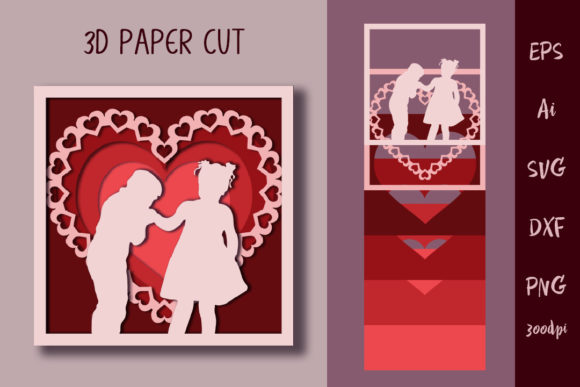
The visual personality of this design leans into a soft, nostalgic mood typical of high-end holiday embroidery. The layout suggests depth, relying on foreground and background separation to create interest. For an Etsy seller or boutique owner, this depth is a selling point because it photographs beautifully in a printable mockup. However, before loading this embroidery file into your machine, you must assess the line weight. Since the original files are vector-based (SVG/AI) at 300ppi with transparent backgrounds, they offer crisp edges for cutting machines. If you intend to adapt this for embroidery, you must verify if the included PNG serves as a reliable guide for digitizing or if the SVG paths are already optimized for stitch generation. The clean lines suggest it would work well as an applique design, where fabric layers mimic the paper layers of a physical lightbox.
Real-World Application: Stitching a Custom Keepsake
To truly judge the viability of the Valentine s Day Photo Lightbox, I mentally walked through a recent client request for a personalized anniversary gift. The goal was a framed textile piece that mimicked the glowing effect of a paper lightbox but with the permanence of thread. In this scenario, the design’s layering is its greatest asset and its biggest challenge.
I envisioned using this design on a heavyweight linen canvas. The 3D nature of the source file allows for distinct zoning. For the outer frame elements, a dense satin stitch provides a solid border that anchors the piece. For the internal photo area, a lighter fill stitch or even a textured running stitch prevents the fabric from puckering—a common issue when adapting shadow box styles to textiles. If you are creating custom apparel like a sweatshirt or tote bag, you cannot simply stitch all layers at once. You must treat this as a multi-step process, potentially using tear-away stabilizer between layers to maintain that crucial dimensional separation without adding excessive bulk.
For small shop owners, this design shines when marketed as a premium personalized gift. The complexity implies higher value than a standard flat monogram. However, production time increases. I recommend testing the design on scrap fabric first to ensure the registration marks align perfectly. If the layers shift during stitching, the "lightbox" illusion breaks, and the finished product looks amateurish. This test run is non-negotiable for maintaining customer trust and brand consistency.
Fabric Compatibility and Technical Constraints
Not every substrate can handle the architectural demands of a shadow box style. While the Valentine s Day Photo Lightbox is versatile, it requires careful fabric selection. I have found that designs with this level of detail perform poorly on stretchy knits or thin quilting cottons unless heavily stabilized. The tension required to hold multiple layers can distort lightweight fabrics, turning a precise geometric frame into a warped oval.
- Stabilizer Strategy: Use a firm cut-away stabilizer for apparel to support the weight of the 3D-style stitching. For home decor items like pillow covers, a fusible mesh backing helps prevent show-through.
- Hoop Size Verification: Always confirm your hoop size before purchasing or stitching. Shadow box designs often maximize the stitching field. Ensure there is adequate margin around the design to prevent hoop burn or alignment issues.
- Thread Color Contrast: Because this design relies on depth, low-contrast thread colors will flatten the image. Test your palette in black and white mockups to ensure the layers remain visually distinct.
- Detail Inspection: Check tiny lettering or intricate corners. Vector lines in an SVG do not always translate to viable needle penetrations. You may need to manually adjust stitch density or widen narrow gaps to prevent needle breaks.
If you plan to use this for baby embroidery or items requiring frequent washing, proceed with caution. The dimensional aspects that make it beautiful also create snag points. For washable goods, consider flattening the design slightly or securing all applique edges with a tight zigzag to ensure longevity.
Commercial Viability for Makers and Sellers
For creative entrepreneurs, the Valentine s Day Photo Lightbox represents a strong commercial opportunity, provided the licensing is respected. The product description notes you receive original images without watermarks in SVG, AI, and PNG formats. This is excellent for creating design assets and marketing materials. However, as a reviewer, I must emphasize checking the specific license terms regarding commercial use of the digital embroidery file versus the finished physical product.
This design is particularly effective for small shop products because it targets a specific emotional niche. Unlike generic hearts, a lightbox implies a curated memory. When listing this on Etsy or your own site, highlight the dimensionality. Use the provided high-resolution PNGs to create professional listings that showcase the potential of the design. Buyers engage more readily when they can visualize the texture and depth.
Furthermore, consider cross-platform utility. As an embroidered patch, this design could be scaled down for denim jackets or caps. On curved surfaces like caps, however, the rigid geometry of a lightbox can be unforgiving. I advise against using the full 3D version on structured hats; instead, extract the central motif for a simpler, flatter adaptation. Reserve the full shadow box effect for flat surfaces like tea towels, blankets, or framed nursery decor where the dimensional illusion can be fully appreciated.
Designer Notes for Successful Execution
Before integrating the Valentine s Day Photo Lightbox into your production lineup, adhere to these practical checkpoints. First, never assume file compatibility. While SVG and AI are industry standards for vectors, embroidery machines require specific stitch formats. If this set does not include pre-digitized embroidery formats (like DST, PES, or EXP), you will need to digitize it yourself or hire a professional. Do not attempt to auto-digitize a complex 3D SVG without manual cleanup; the results are rarely sellable.
Secondly, evaluate the design’s scalability. Does the stitch count remain reasonable at smaller sizes? A massive stitch count on a toddler’s dress makes the garment unwearable. Conversely, reducing it too much may cause the internal details to merge into a solid blob of thread. Find the sweet spot where the handmade product retains its charm without compromising function.
Finally, document your process. As you test this design, note which thread colors best replicate the lightbox glow. Share these insights with your customers if you sell the finished item; it adds a layer of expertise to your brand. Whether you are making a custom Valentine’s gift or stocking your shop for the season, treating the Valentine s Day Photo Lightbox with technical respect ensures your final output is as lovely in reality as it is in concept. Always prioritize quality over speed, and let the design’s inherent structure guide your creative decisions.