Slice Box: A Designer’s Review for Embroidery
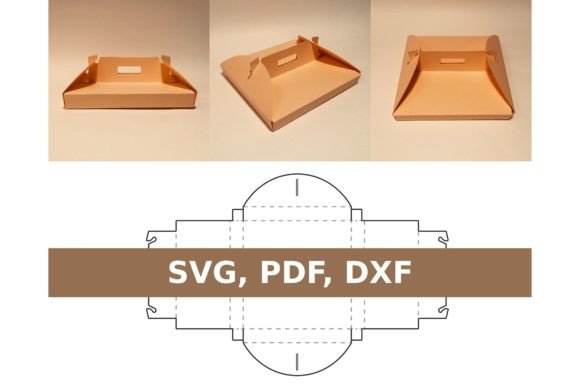
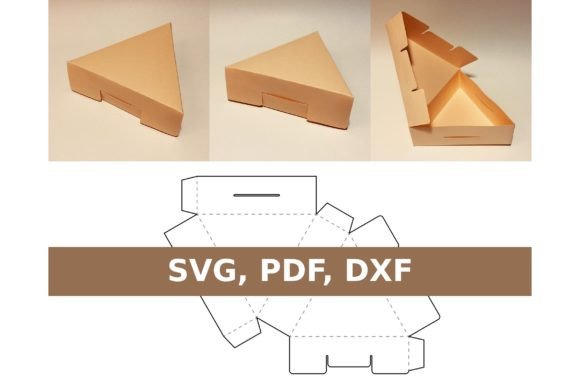
As a designer who constantly bridges the gap between digital cutting files and needlework, I approach every new template with a specific question: does this translate to thread? When I first opened the Slice Box file, I wasn't just looking at a triangle box template for storing cake or pizza; I was evaluating a potential structural element for mixed-media embroidery projects. While marketed primarily as a 3D SVG compatible with Silhouette and Cricut for paper crafts, my assessment focuses on how this geometric form serves as a foundation for machine embroidery design, applique work, and personalized gift packaging in a commercial craft business.
First Impressions: Geometry Meets Textile Potential
The immediate appeal of Slice Box lies in its clean, triangular architecture. In the world of embroidery, we often struggle with rigid geometric shapes because fabric naturally wants to drape and distort. However, the precise lines of this template offer a unique opportunity. Visually, it creates a mood of modern whimsy. It feels structured yet playful, making it an excellent candidate for boutique branding or contemporary holiday embroidery. Unlike organic floral designs that forgive minor registration errors, this shape demands precision. As a digital product seller or Etsy seller, you aren't just buying a box pattern; you are acquiring a layout guide that can elevate the perceived value of your finished product through sheer professional presentation.
Real-World Application: The Custom Tote Bag Scenario
To truly test the viability of Slice Box beyond paper, I mentally prototyped a custom apparel and accessory project. Imagine creating a premium tote bag design for a local bakery or a wedding favor. Instead of simply stitching a logo, I envisioned using the Slice Box outline as a placement guide for a large-scale applique design.
In this scenario, I would cut the triangle shape from a contrasting linen using my Cricut, then use the corresponding embroidery file to secure it with a satin stitch border. The interior of the triangle becomes a framed canvas for monograms or small icons representing snacks like cake or sandwiches. This transforms a standard tote bag embroidery project into a dimensional, tactile experience. For small shop products, this level of detail signals quality. Customers recognize when a handmade product has been thoughtfully constructed rather than hastily stamped out. The Slice Box template provides the architectural integrity needed to keep that triangle crisp on soft canvas or denim, ensuring the final embroidered patch or direct-to-garment stitch-out looks intentional and high-end.
Navigating Fabric Constraints and Stabilizer Choices
While the digital lines are perfect, real-life embroidery introduces variables that paper crafting does not. If you plan to adapt Slice Box for fabric, you must respect the physics of textiles. Triangles have bias edges that stretch easily. When hooping, the corners of this design are vulnerable points.
- Stabilizer Selection: For any sweatshirt embroidery or stretchy knit application, a cut-away stabilizer is non-negotiable. Tear-away will not support the sharp angles of the Slice Box, leading to puckering at the points.
- Fabric Texture: On highly textured fabrics like terry cloth or fleece, the fine running stitch used for placement guides may get lost. You may need to increase stitch density or add a topping to ensure the triangle remains visible and accurate.
- Hoop Size Awareness: Always confirm your hoop size before committing. The dynamic shape of Slice Box requires adequate margin space. Crowding the edges of the hoop can cause tension issues that distort the geometric symmetry.
I also advise caution when working with dark fabrics. If the Slice Box is intended as a light-colored applique on navy or black material, ensure your underlay stitches are sufficient to prevent the dark fabric from grinning through. Test the design on scrap fabric first to verify that your thread colors provide enough contrast against both the base fabric and the applique material.
Elevating Brand Consistency and Giftability
For creative entrepreneurs and makers, consistency builds trust. Using Slice Box as a recurring motif across different product lines creates a cohesive visual identity. Whether you are producing baby embroidery items, kitchen towels, or printable mockups for digital listings, the recognizable triangular silhouette acts as a brand anchor.
Consider the unboxing experience. Since Slice Box is originally designed as a container for snacks, why not bridge the digital and physical? You could embroider a flat version of the design onto a tea towel, then use the actual 3D SVG to create matching paper packaging for the towel. This cross-medium consistency is what separates hobbyists from professional design asset creators. It enhances giftability and makes your Etsy listings stand out in search results because the photography can showcase both the textile art and the functional packaging. Buyer engagement increases when customers can visualize the complete package, not just the isolated stitch file.
Critical Technical Notes for Commercial Use
Before listing any finished product derived from this template, practical due diligence is required. Because Slice Box is described as a template compatible with cutting machines, you must verify the licensing terms regarding commercial embroidery use. Some designers allow personal cutting but restrict commercial sale of derivative stitched goods. Always check the specific license included with your digital embroidery file or template download.
Furthermore, do not assume the digital dimensions translate perfectly to stitch counts. If you are digitizing your own version based on the Slice Box vector, pay close attention to stitch direction. Fill stitch areas within the triangle should follow the grain of the fabric or the angle of the shape to prevent warping. Satin stitch borders should be wide enough to cover raw edges of applique fabric but not so wide that they become unstable. For tiny lettering inside the box, consider switching to a running stitch or bean stitch if the text is smaller than 4mm, as standard satin stitch will fail at that scale.
Final Verdict for Makers and Sellers
Slice Box offers more than just a vessel for pizza or cake; it offers a framework for disciplined, attractive design. Its strength lies in its versatility as a boundary marker for creativity. For the embroidery designer, it solves the problem of framing content without resorting to tired circles or squares. For the small business owner, it provides a scalable aesthetic that works across apparel, home decor, and packaging.
However, success depends entirely on execution. Treat this template as a technical blueprint rather than a simple decoration. Respect the stabilization requirements, test your colorways on actual garment scraps, and ensure your licensing covers your intended commercial embroidery activities. When approached with this level of professional care, Slice Box transitions from a simple digital download to a cornerstone asset in your handmade product lineup, delivering results that satisfy both the maker’s standards and the customer’s expectations.