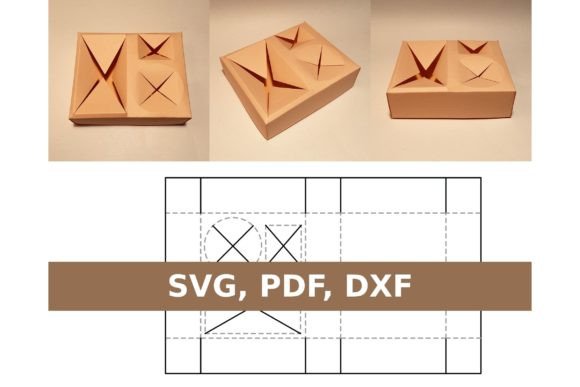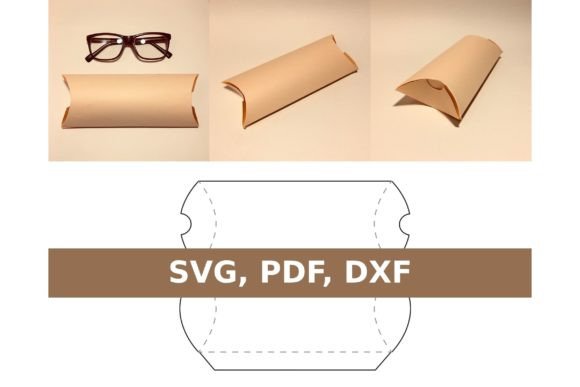
Glasses Case 3D SVG for Gift Boxes
Evaluating Structural Integrity for Eyewear Packaging Projects
When I first opened the files for this Glasses Case asset, my immediate focus was not on aesthetics, but on engineering. As a designer currently developing packaging concepts for a boutique eyewear brand launching a new seasonal collection, I need assets that solve physical problems, not just visual ones. This specific graphic design asset presents itself as a functional container template rather than mere decoration. The initial impression is one of utilitarian precision. It feels structured and deliberate, suggesting it was created by someone who understands paper crafting mechanics. For a client project involving tangible product delivery, this structural reliability is far more valuable than ornamental flair. The mood is professional yet accessible, striking a balance necessary for handmade business branding where trust in product safety is paramount.
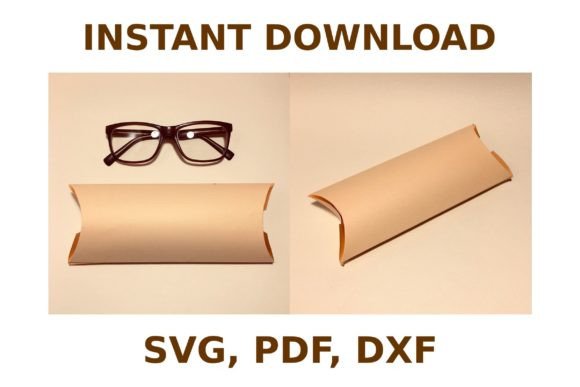
In the context of my current client work, this 3D SVG serves as a foundational element for their unboxing experience. We are moving away from generic bubble mailers toward branded, sustainable packaging. This glasses case fits every type of eyewear item, which solves a major inventory headache for the client. Instead of designing three separate boxes for sunglasses, reading glasses, and blue-light blockers, this single template adapts to all. From a creative design perspective, this versatility allows us to maintain strict brand identity across different SKU lines without fragmenting our visual language. It acts as a consistent touchpoint that reinforces recognition every time a customer receives an order.
Performance Across Cricut and Silhouette Workflows
Technical compatibility is often where digital products fail in real-world application. I tested this template extensively because my client’s fulfillment team uses both Cricut and Silhouette machines for small-batch production. The vector paths are clean, with properly designated cut lines and score lines. This distinction is critical for packaging design; without accurate scoring, the final assembled box looks amateurish and compromises the perceived value of the eyewear inside. The template is compatible with Silhouette and Cricut right out of the package, requiring no node editing or path repair. This saves hours of prepress time, allowing us to move faster from concept to prototype.
For print-on-demand sellers or Etsy product creators, this efficiency translates directly to profit margins. The ability to print on any paper size means you can optimize material usage, reducing waste when cutting multiple units. During my testing, I scaled the design down for children’s frames and up for oversized aviators. The proportions held up beautifully, maintaining structural integrity at various dimensions. This scalability makes it an exceptional asset for businesses with diverse product ranges. Whether you are creating a premium gift set or a simple protective sleeve for shipping, the underlying geometry supports the physical demands of the object it holds.
Strategic Placement in Marketing and Brand Identity
Beyond its function as a physical container, this Glasses Case asset performs surprisingly well in marketing visuals. We needed hero graphics for the client’s website and social media graphics for their launch campaign. Because the SVG design is fully editable, I could easily apply the client’s brand colors and patterns to the flat template before assembly. Photographing the finished, branded box provided authentic lifestyle content that resonates far better than sterile 3D renders. For bloggers and content creators reviewing eyewear, showcasing the product in a custom-branded case elevates the editorial design and signals professionalism to their audience.
However, designers must be strategic about where this asset lives within a broader campaign. It excels in large layout areas, product mockups, and packaging details where the structure can be appreciated. It works wonderfully as a decorative accent in Pinterest pins or Instagram posts focused on "behind-the-scenes" packing videos. Conversely, use caution when integrating this into small-scale designs. At thumbnail sizes, the intricate fold lines and tabs can become visual noise, hurting readability and visual hierarchy. Avoid placing it against complex backgrounds or in minimalist corporate layouts where the mechanical nature of the template clashes with clean typography. It is a tactile object; treat it as such in your digital compositions.
Essential Pre-Flight Checks for Commercial Application
Before committing this asset to a paid client project or commercial listing, rigorous testing is non-negotiable. My first step was verifying the commercial license. Never assume a design bundle includes rights for selling physical goods derived from the template. Confirming this upfront protects your business and your client. Next, test the file in black and white. If the score lines disappear or blend with cut lines without color coding, you will face assembly errors during mass production. Check contrast on both light and dark cardstock, as ink visibility affects the premium feel of the final gift boxes.
- Typography Pairing: Test the template alongside serif, sans-serif, and script fonts. A modern geometric sans-serif complements the clean lines of this case, while a handwritten font might suit a bridal eyewear line. Ensure text placement avoids fold zones.
- Material Testing: Print and assemble prototypes on the exact paper weight intended for production. A template that works on 65lb cardstock may fail on 110lb cover stock due to tab slot tolerance.
- File Format Verification: Inspect PNG transparency if using the asset for digital mockups. For cutting, ensure the SVG layers are grouped logically. Disorganized layers slow down workflow significantly.
- Mockup Integration: Place the design in realistic product mockups to gauge scale. Does it look proportional next to standard eyewear? Visual trust depends on accurate representation.
Enhancing Customer Experience Through Functional Design
Ultimately, the value of this Glasses Case lies in its ability to bridge the gap between digital design and physical customer satisfaction. For small business branding, packaging is often the only tangible interaction a customer has with the brand. A flimsy, ill-fitting box undermines even the best logo design. This template provides a polished, secure vessel that enhances the emotional appeal of the purchase. It transforms a simple transaction into a curated experience. When used correctly, it supports visual trust and encourages social sharing, as customers love photographing thoughtful packaging.
For digital sellers and crafters, this asset represents a smart investment in operational consistency. Rather than reinventing packaging for every new product drop, having a reliable, adaptable base template frees up creative energy for other aspects of the business. It serves as a silent ambassador for quality. Whether you are designing stickers to seal the box, creating t-shirt designs for staff uniforms, or building Canva templates for future campaigns, this glasses case anchors the visual ecosystem. It is a rare find in the creative marketplace: a digital product that genuinely improves the functionality of a physical business. By respecting its technical requirements and leveraging its adaptability, designers can deliver packaging solutions that are as robust as they are beautiful.