Movie Tray 3D SVG for Gift Boxes & Content
As a digital publisher and blog designer, I constantly evaluate assets not just for their aesthetic appeal, but for their functional utility in a real content workflow. When I first opened the files for Movie Tray, my immediate assessment was that this is more than a simple craft file; it is a versatile graphic design asset with significant potential for lifestyle and entertainment niches. The editorial mood it establishes is distinctly experiential and tactile. It evokes feelings of comfort, nostalgia, and curated leisure, making it an ideal visual anchor for content centered around home entertainment, party planning, or family activities. Unlike flat vector art, the dimensional nature of this asset suggests a physical reality that can significantly enhance reader perception, signaling that the content is practical, tested, and ready for real-world application.
Elevating Editorial Layouts and Blog Graphics
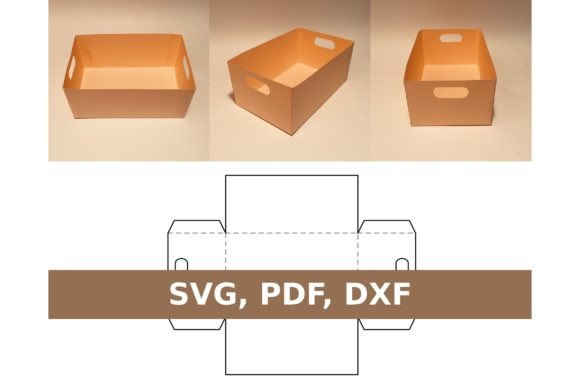
In my daily workflow creating featured images and article headers, the primary challenge is often finding visuals that bridge the gap between digital content and physical experience. Movie Tray excels here because it serves as a container template designed to fit and hold cups, bottles, and other containers. This specific functionality translates beautifully into blog graphics. When used as a hero image or a featured thumbnail, it immediately communicates value to the reader. They aren't just looking at a picture of a snack; they are seeing a solution to a problem—how to organize their movie night essentials efficiently.
For publishers managing affiliate marketing sites or lifestyle blogs, this asset supports stronger visual hierarchy. Because the tray has depth and structure, it naturally creates negative space where headline text can be placed without obscuring the product. This is crucial for maintaining high click-through rates on social platforms. I have found that when integrating this type of 3D SVG into Pinterest pin designs, the engagement metrics often outperform standard photography because the clean lines and customizable colors allow for perfect brand alignment. It transforms a generic post about "snack ideas" into a branded, professional resource that feels like a premium digital guide.
Strategic Applications Across Digital Channels
The versatility of Movie Tray extends far beyond standard blog posts. As a digital download compatible with Silhouette and Cricut machines, it bridges the divide between digital publishing and physical crafting, which is a massive opportunity for cross-channel content marketing. Here is how I recommend deploying this asset across various publishing touchpoints:
- Lead Magnets and Content Upgrades: Use rendered images of the assembled tray as the cover art for printable PDF guides. The tangible nature of the design increases the perceived value of the freebie.
- Newsletter Headers: The horizontal orientation of the tray makes it an excellent candidate for email banners. It sets a fun, engaging tone before the subscriber even reads the first line of copy.
- Social Media Graphics: Create carousel posts showing different color variations or filling options. This showcases the adaptability of the printable design and encourages saves and shares.
- Affiliate Marketing Visuals: Pair the tray graphic with photos of specific snacks or beverages you are promoting. The tray acts as a framing device that unifies disparate product shots into a cohesive brand identity.
- Canva Templates: Import the SVG into Canva to create reusable templates for seasonal content. This streamlines production for small business branding and ensures consistency across campaigns.
Optimizing Visual Performance and Reader Trust
From a web design perspective, using high-quality vector-based assets like Movie Tray contributes to a polished user experience. Rasterized images often lose quality when scaled, but this creative design remains crisp on retina displays and large desktop monitors alike. This clarity signals professionalism and builds reader trust. When a visitor lands on a page and sees sharp, intentional graphics, they subconsciously attribute that same level of care to the written content and the products being recommended.
However, effective implementation requires strategic placement. This asset performs best in hero sections, category thumbnails for "Party" or "Crafts" archives, and within step-by-step tutorial layouts. It provides a visual anchor that breaks up text-heavy content, improving readability and dwell time. For commercial design projects, the ability to customize the colors means you can match the tray to specific seasonal palettes—think red and green for holidays, or pastels for spring gatherings—without needing to source new photography every quarter. This efficiency is invaluable for content creators managing tight editorial calendars.
Navigating Design Constraints and Best Practices
While Movie Tray is a powerful tool, it must be used with intention to avoid visual clutter. In my testing, I have identified specific scenarios where caution is necessary. Avoid using this detailed 3D representation in very small mobile thumbnails where the intricate cuts and folds may become indistinguishable mush. Similarly, if your website utilizes a minimalist, corporate aesthetic, this playful gift boxes style asset might feel tonally dissonant unless heavily stylized to match your modern design system.
Publishers should also be mindful of contrast. Because the tray is a container, it often holds busy patterns or colorful items. Ensure that any text overlaid on or near the graphic maintains WCAG accessibility standards. I always recommend testing the asset in black and white first to verify that the structural lines remain distinct without relying solely on color differentiation. Furthermore, when placing this beside typography, consider the mood: it pairs exceptionally well with handwritten scripts and rounded sans-serifs but may clash with rigid, traditional serif fonts typically used in financial or legal niches.
Technical Considerations for Professional Publishers
Before adding Movie Tray to your creative marketplace listings or monetized blog, there are several technical due diligence steps that experienced publishers must take. First and foremost, verify the commercial license. While the template is compatible with cutting machines for personal use, using the digital render for paid digital products or ad creatives often requires a different tier of licensing. Protecting your business from copyright issues is non-negotiable.
Additionally, pay close attention to file optimization. While SVGs are generally lightweight, complex 3D renders exported as PNGs for web use can be heavy. Always compress your images properly to maintain site speed, as page load time directly impacts SEO rankings and user retention. Test the graphic inside your actual CMS theme previewer rather than just in your design software. What looks spacious in Photoshop might get cropped awkwardly by your WordPress theme’s automatic thumbnail generator. Finally, ensure the description on your site accurately reflects the product's capabilities. Since the package contains templates compatible with Silhouette and Cricut and can be printed on any paper size, make sure this interoperability is highlighted clearly. This transparency reduces customer support tickets and increases conversion rates by assuring buyers that the asset fits their existing hardware ecosystem.
Ultimately, Movie Tray represents a smart investment for digital publishers looking to add tactile warmth to their online presence. By treating it as a strategic component of your content marketing infrastructure rather than just a decorative afterthought, you can create a more immersive, trustworthy, and visually consistent experience for your audience. Whether you are designing a viral Pinterest pin, a comprehensive eBook cover, or a simple newsletter accent, this asset offers the flexibility and professional polish required to compete in today’s crowded digital landscape.