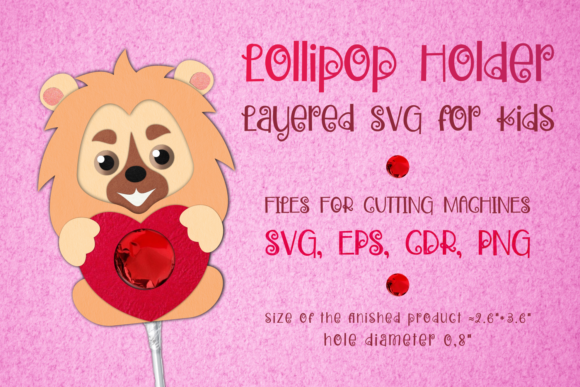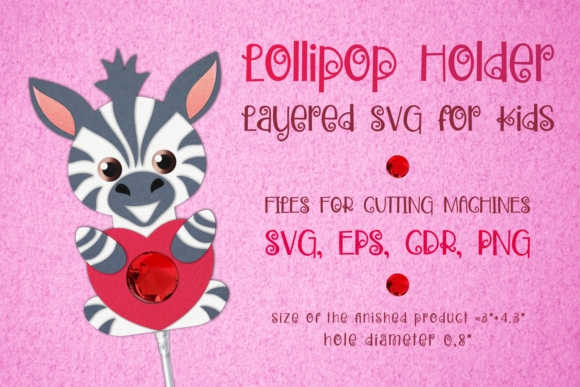
Hippopotamus Valentine Lollipop Holder S Review
As a designer who spends more time behind an embroidery machine than at a desk, I approach every new digital asset with a healthy dose of skepticism. When I first opened the Hippopotamus Valentine Lollipop Holder S, I wasn't just looking for a cute graphic; I was evaluating a functional component for mixed-media projects. This isn't merely a decorative motif. It is a structural element intended to interact with physical objects, specifically candy, which changes how we must assess its viability for professional and hobbyist use.
The initial impression of this design is one of playful utility. The hippo shape offers a chunky, forgiving silhouette that translates beautifully into stitch work. Unlike intricate floral patterns or dense landscapes where registration errors can ruin a project, this character-driven shape allows for slight variances in fabric tension without losing its charm. For those of us creating personalized gifts or small shop products, this balance of whimsy and function is exactly what sells. It feels less like a generic clip-art transfer and more like a thoughtful addition to a Valentine’s Day product line.
Real-World Application: The Custom Tote Bag Test
To truly understand the value of this machine embroidery design, I mentally placed it in a recent client scenario involving custom canvas tote bags for a local boutique's Valentine's event. The goal was to create an interactive unboxing experience rather than just a printed bag. The Hippopotamus Valentine Lollipop Holder S served as the anchor point on the lower third of the tote.
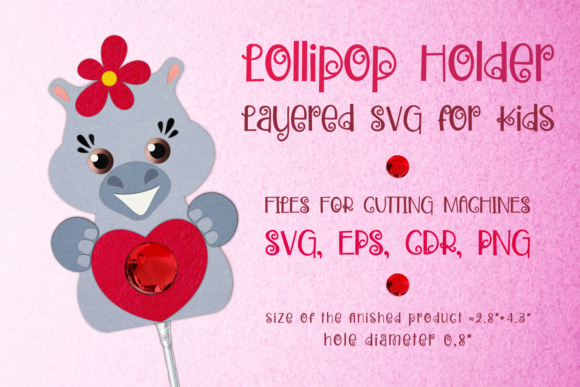
In this context, the design performs exceptionally well because of its scale and intent. As a tote bag design, it needs to be visible but not overwhelming. The "S" size designation suggests it is optimized for smaller areas, making it perfect for positioning above a pocket or centered on a child-sized bag. When stitching this onto canvas, the open spaces within the hippo’s mouth area—intended for the lollipop stick—require precise alignment. If you are using this as part of a layered 3D SVG assembly or a multi-step applique process, the registration marks become your best friend. I found that treating this as a functional pocket or holder rather than just surface decoration elevated the perceived value of the finished product significantly. Customers don't just see embroidery; they see an interactive feature.
Fabric Considerations and Stabilizer Strategy
While the hippo shape is adorable, its performance relies heavily on your material choice. Because this is designed to hold weight (even if it is just a light lollipop), fabric texture matters immensely. I would strongly advise against using this design on thin knits, sheer fabrics, or highly stretchy performance wear without significant modification. The tension required to keep the holder functional will distort lightweight materials, causing the hippo to gape open unattractively when empty or sag when full.
For sweatshirt embroidery or fleece baby items, this design shines. The natural loft of these fabrics complements the plush aesthetic of a hippo. However, you must use appropriate stabilizer. A cut-away stabilizer is non-negotiable here to maintain structural integrity over time. If you are working with dark fabrics, ensure your thread colors provide enough contrast so the functional slot remains visible. A white hippo on a cream sweatshirt might look soft in a digital mockup, but in real life, the user won't be able to find the insertion point easily. High contrast ensures the handmade product remains user-friendly.
Technical Notes for Embroidery Professionals
Before you hoop up your good fabric, there are several technical checkpoints to consider with the Hippopotamus Valentine Lollipop Holder S. Since this is categorized under Shapes and derived from a 3D SVG source, verify how the layers translate to stitches. Not all cutting files convert perfectly to embroidery formats without manual digitizing adjustments.
- Check Stitch Density: Ensure the area around the holding slot isn't too dense. Excessive density can make the fabric stiff and brittle, leading to tears after repeated use.
- Verify Hoop Size: Confirm the dimensions fit your specific hoop with adequate margin for the presser foot. Functional designs often sit closer to edges than standard art.
- Test on Scrap First: Never skip this step for functional embroidery. Insert an actual lollipop into your test swatch to check friction and fit.
- Review Licensing: As a digital product seller or Etsy seller, confirm whether your license covers selling finished physical goods versus just the digital file itself.
- Mockup Accuracy: Use printable mockups that show depth. Flat previews can be misleading for 3D-style holders.
These precautions separate professional results from amateur attempts. A commercial embroidery business cannot afford returns because a lollipop holder ripped out after two uses.
Marketability for Small Business Owners
From a business perspective, this design fills a specific niche. It bridges the gap between traditional holiday embroidery and interactive packaging. For Etsy sellers and craft fair vendors, offering a product that serves a dual purpose increases engagement. Parents love buying items that include a small treat, and the reusable nature of an embroidered holder adds sustainability appeal compared to plastic alternatives.
When listing this type of custom apparel or accessory, photography is key. Do not just photograph the empty design. Show the lollipop inserted. Demonstrate the function. This visual proof builds customer trust and validates the price point. The Hippopotamus Valentine Lollipop Holder S works particularly well for bundling strategies—pairing a bib, apron, or pillow cover with a themed candy creates a complete gift solution. This kind of strategic product development is what helps small shops stand out during the saturated Valentine's season.
Final Verdict on Design Versatility
Ultimately, the Hippopotamus Valentine Lollipop Holder S is a strong contender for seasonal collections, provided it is executed with technical mindfulness. It avoids the trap of being overly cutesy by grounding itself in utility. Whether you are embellishing nursery decor, creating personalized gifts for classmates, or developing a signature line for your boutique, this design offers a reliable foundation.
Just remember that functionality demands respect for the medium. Treat the slot construction with the same rigor you would apply to a buttonhole. Check your licensing for commercial use, test your stabilizers, and ensure your thread contrast guides the user's hand. When done correctly, this isn't just another embroidery file; it is a delightful, tangible interaction that brings joy to both the maker and the recipient. In a market flooded with flat hearts and generic text, a well-executed 3D-style functional design is a breath of fresh air that customers will appreciate and remember.