Daisies Layered Intricate Cut: A Designer’s Review
As a professional embroidery designer and product reviewer, I approach every new machine embroidery design with a critical eye. It is not enough for a file to simply digitize well; it must translate into a tangible, high-quality finished product that customers actually want to buy or receive as a gift. When evaluating the Daisies Layered Intricate Cut, my primary focus is on how this specific 3D SVG asset transitions from a digital vector format into a physical textile application. While the download includes versatile formats like SVG, PDF, EPS, PNG, DXF, and detailed instructions, my assessment centers on its viability for real-world embroidery projects where texture, depth, and durability matter.
First Impressions: Visual Depth and Seasonal Versatility
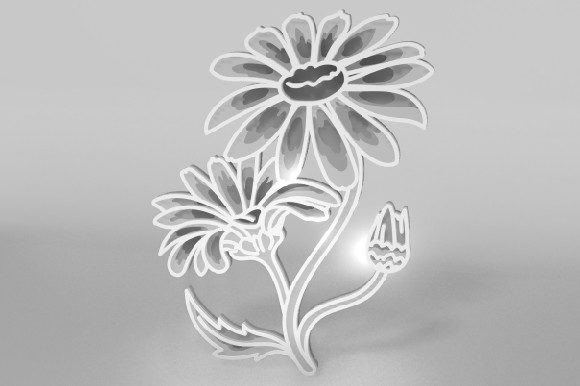
My initial reaction to the Daisies Layered Intricate Cut is that it possesses a distinct visual personality suited for the Seasons category, specifically bridging late spring and summer aesthetics. The "intricate cut" designation suggests a level of detail that goes beyond standard flat appliqué. In a digital preview, the layering implies dimensionality, which is crucial when selecting an applique design for commercial use. For an Etsy seller or small shop product creator, this design avoids the generic, clip-art look that often devalues handmade goods. Instead, it offers a boutique feel that justifies a higher price point due to its perceived complexity.
The layout feels balanced yet organic. Unlike rigid geometric florals, daisies require a natural flow to look authentic. This design appears to respect that botanical reality while providing clean lines necessary for digitizing. As a digital embroidery file, the separation of layers in the source SVG indicates that a digitizer can easily assign different stitch types—such as satin stitch borders and fill stitch interiors—to enhance the 3D effect physically, not just visually.
Real-World Application: Stitching a Custom Tote Bag
To truly judge this asset, I mentally placed it into a current client project: a custom canvas tote bag for a local florist’s summer promotion. This scenario tests the design's structural integrity and commercial appeal. Canvas is a forgiving but textured substrate, making it an ideal testing ground for intricate cuts.
In this application, the Daisies Layered Intricate Cut serves as more than decoration; it acts as branding. Because the design features layered elements, I would utilize a combination of running stitch tack-downs and raised satin borders to create actual physical elevation. This transforms the tote bag design from a flat print alternative into a premium tactile experience. Customers at a craft fair or boutique interact with products through touch; if the embroidery feels substantial and well-executed, trust in the brand increases immediately.
Furthermore, this design scales effectively for other custom apparel. I can envision it centered on a lightweight denim jacket back panel or as a pocket accent on a linen apron. The intricacy holds up at medium-to-large sizes without becoming sparse, which is a common failure point in floral designs. For baby embroidery or nursery decor, however, I would advise simplifying the layer count or reducing the density to maintain softness against sensitive skin, proving the design's adaptability across different demographics.
Navigating Fabric Limitations and Technical Constraints
Despite its versatility, the Daisies Layered Intricate Cut demands respect regarding fabric selection. Not every textile can support intricate layering. During my evaluation, I identified several scenarios where caution is required:
- Stretchy Fabrics: On knits or performance wear, the multiple layers of an intricate cut can cause puckering if the stabilizer choice is inadequate. A heavy-duty cut-away stabilizer is non-negotiable here to prevent the design from distorting the garment shape.
- Textured Surfaces: While canvas works well, highly textured fabrics like terry cloth or boucle may swallow the fine details of the "intricate cut." The stitch density must be sufficient to cover the fabric texture, or the design will look lost.
- Small Hoop Sizes: Reducing this design significantly to fit a 4x4 hoop risks losing the definition of the petals and leaves. Tiny lettering or minute inner details may turn into thread nests. Always verify the minimum safe size before committing to a hoop size.
- Dark Fabrics: High contrast is essential. If stitching white daisies on navy fabric, ensure the underlay is robust enough to prevent the dark fabric from bleeding through the lighter thread colors.
For caps or curved surfaces, the rigid nature of some intricate cuts can be problematic. The design must be digitized specifically for cap hoops to accommodate the curve, otherwise, registration marks between layers will fail. Always test on a scrap cap before running production.
Impact on Product Value and Brand Professionalism
Using a high-caliber asset like Daisies Layered Intricate Cut directly influences buyer engagement. In the saturated market of handmade products, differentiation is key. When a customer sees a personalized gift featuring this design, the layered construction signals time, skill, and quality materials. It elevates the item above mass-produced fast fashion.
For commercial embroidery businesses, consistency builds reputation. Utilizing a design with clear, professional vectors ensures that whether you are stitching one sample or fifty units, the output remains identical. This reliability is vital for craft business owners fulfilling wholesale orders. Additionally, the included PNG and PDF files facilitate the creation of accurate printable mockups. Being able to show clients exactly what the embroidered patch or garment will look like before production reduces approval times and prevents costly re-dos.
Essential Designer Notes for Successful Execution
Before loading this embroidery file into your machine, adhere to these professional best practices to ensure the Daisies Layered Intricate Cut performs as intended:
- Verify Licensing: The product description mentions receiving files and instructions, but always confirm the specific commercial license terms. Ensure you have the right to sell finished items or use the design for design assets in your marketing.
- Test Stitch Out: Never skip this step. Test on the exact fabric and stabilizer combination you plan to use for the final sweatshirt embroidery or pillow cover. Check for registration alignment between layers.
- Analyze Density: Open the file in your embroidery software to check total stitch count and density. If the design is too dense for delicate fabrics, consider removing a layer or adjusting the fill pattern to reduce bulk.
- Color Contrast Check: View the design in black and white within your software. If the layers disappear without color, the design relies too heavily on hue rather than value. Adjust shading or add texture stitches to define layers independently of color.
- Review Instructions: The included PDF contains specific crafting instructions. Read them thoroughly, as they may offer insights into the intended assembly or layering order that differs from standard digitizing logic.
- Mockup Validation: Use the provided PNG to create digital previews for your Etsy listings, but clearly label them as digital representations. Nothing replaces a photo of the actual stitched product for building long-term customer trust.
The Daisies Layered Intricate Cut represents a strong foundation for makers seeking to produce sophisticated, seasonally relevant textile art. By understanding its technical requirements and leveraging its aesthetic strengths, designers can transform this digital asset into profitable, cherished physical goods. Whether creating a signature holiday embroidery piece or expanding a summer apparel line, success lies in the thoughtful intersection of digital precision and material reality.