Classic Box Template: 3D SVG Shapes Review
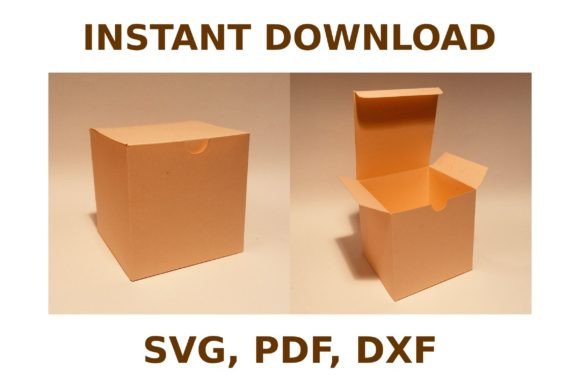
When evaluating a new graphic design asset for a client project, my first question is never about the file format; it is always about the feeling. Does this asset carry the weight and intention required for professional commercial design? I recently integrated the Classic Box Template into a branding and packaging concept for an artisanal candle maker launching a seasonal collection. The goal was to bridge the gap between digital marketing visuals and physical product presentation. Upon opening the files, the immediate impression was one of structural reliability. Unlike many decorative shapes that feel flat or purely ornamental, this 3D SVG carries a sense of tangible volume. It evokes a mood of heritage craftsmanship mixed with modern precision, making it an ideal candidate for small business branding where trust and tactile quality are paramount.
Evaluating Structural Integrity for Packaging Design
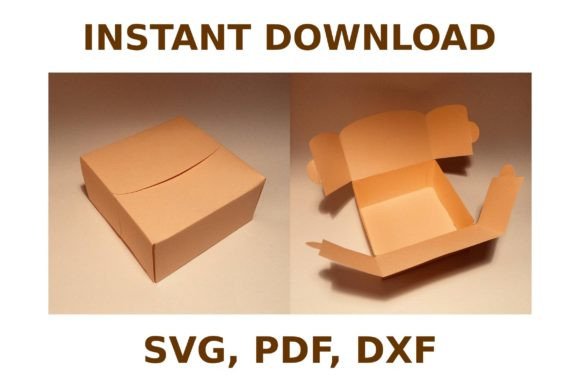
For this specific client, the primary application was packaging design. We needed a visual motif that could transition seamlessly from a website hero graphic to a physical gift box. The Classic Box Template excels here because it respects the geometry of real-world objects. In my review, I found that the vector paths were clean and logical, which is critical when manipulating shapes for custom dimensions. When used as a foundational element in brand identity, this template provides a stable anchor. It communicates organization and care, two attributes essential for handmade businesses and boutique product lines. The visual hierarchy established by this box shape allows text and logos to sit comfortably without competing for attention, creating a balanced composition that feels intentional rather than accidental.
Cross-Platform Performance From Cricut Projects to Web Design
A major challenge in modern creative design is maintaining consistency across physical and digital mediums. This asset addresses that friction point directly. The ZIP archive contains SVG, DXF, and PDF files, ensuring compatibility whether I am sending cut lines to a Silhouette machine or importing vectors into Adobe Illustrator for web design. For the candle brand, we utilized the DXF files for a Cricut project involving vinyl decals on glass jars. The cut lines were optimized, meaning no jagged edges or unnecessary nodes that often plague lower-quality design bundles. Simultaneously, the SVG version served as a crisp, scalable graphic for Pinterest pins and Instagram posts. This versatility makes it a high-value digital product for content creators who need to repurpose assets across multiple touchpoints without losing fidelity.
Where This Asset Elevates Commercial Design
Through testing, I identified several areas where the Classic Box Template performs exceptionally well. It shines brightest in large layout areas where its dimensional qualities can be appreciated. As a hero graphic on an Etsy product listing or a landing page, it creates immediate depth. It is also highly effective for product mockups, allowing designers to visualize how branding will wrap around a physical form before production begins. For printable design projects like gift tags, thank-you cards, or editorial spreads, the template acts as a sophisticated frame that guides the viewer’s eye. Marketers will find it particularly useful for campaign visuals where a "unboxing" narrative needs to be conveyed statically. The shape implies containment and revelation, which psychologically primes the audience for a premium experience.
Navigating Limitations in Minimalist and Complex Layouts
However, professional judgment requires acknowledging where an asset should be used with caution. While the Classic Box Template is robust, it demands breathing room. In crowded layouts or designs with complex photographic backgrounds, the intricate lines of the 3D SVG can become visually noisy. I would advise against using this in ultra-minimalist corporate branding where flat, abstract geometry is preferred over representational forms. Additionally, at very small sizes—such as a favicon or tiny social media icon—the dimensional details may collapse, reducing readability. Designers must also be mindful of contrast; if placed on a dark background without sufficient stroke weight adjustment, the internal fold lines can disappear. It is best reserved for projects where the box itself is a featured element, not merely a subtle texture.
Technical Due Diligence for Professional Results
Before committing this asset to a paid client deliverable, I ran through a standard technical stress test. First, I checked the file in black and white to ensure the form holds up without color reliance. The silhouette remained distinct, confirming strong visual recognition. Next, I tested print quality at various scales. Since measurements depend on paper size, scaling is inevitable. The vectors held their integrity when enlarged to poster size and when reduced to sticker design dimensions. I also compared the aesthetic against various typography styles. The template pairs beautifully with serif fonts for a traditional look and contrasts effectively with bold sans serifs for a contemporary edge. Script fonts work well for personalization but require careful placement to avoid tangling with the box’s structural lines.
- Vector Editability: Confirmed that all anchor points are accessible for customization in vector software.
- Format Versatility: Verified seamless import into Canva templates and cutting machine software.
- Print Testing: Validated line weights for both home printers and professional commercial printing.
- Mockup Integration: Tested opacity and blending modes for realistic digital product visualization.
- Licensing Check: Reviewed terms to confirm suitability for client work and print-on-demand sales.
Strategic Value for Creative Marketplaces and Brand Growth
Beyond the immediate project, I assess assets based on their long-term utility. For digital sellers and those operating in the creative marketplace, the Classic Box Template offers significant ROI. It serves as a base for creating derivative works, such as custom subscription box branding or seasonal gift set illustrations. Because it is a fundamental shape rather than a trendy illustration, it avoids dating the design. For bloggers and publishers, it provides a consistent visual thread for unboxing reviews or DIY tutorials. The emotional appeal of a box is universal; it suggests a gift, a surprise, or a curated selection. By leveraging this psychological trigger, marketers can enhance audience engagement and drive higher perceived value for physical products.
Final Verdict on Real-World Application
In conclusion, the Classic Box Template is more than just a collection of shapes; it is a functional tool for solving specific design problems. It successfully bridges the divide between digital artistry and physical fabrication. For the artisanal candle project, it provided the necessary structure to unify the brand's online and offline presence. While it requires thoughtful application regarding scale and contrast, its technical quality and aesthetic versatility make it a reliable choice for serious designers. Whether you are crafting a t-shirt design, developing a comprehensive brand identity, or producing sublimation design transfers, this asset delivers professional results. It stands out in the crowded space of design assets by offering genuine utility alongside visual appeal, making it a worthy addition to any commercial design toolkit.