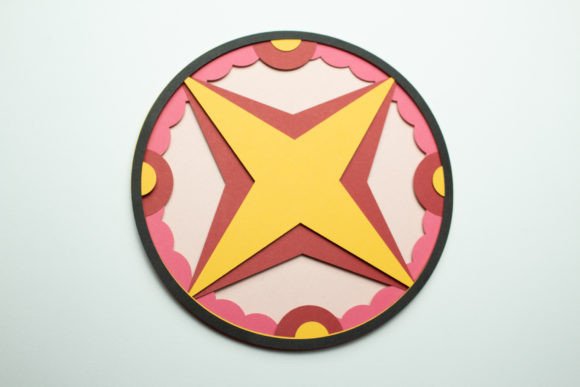
3D SVG Clocks: Pennsylvania Dutch Hex Sign Star
Evaluating Folk Art Assets for Modern Brand Identity Projects
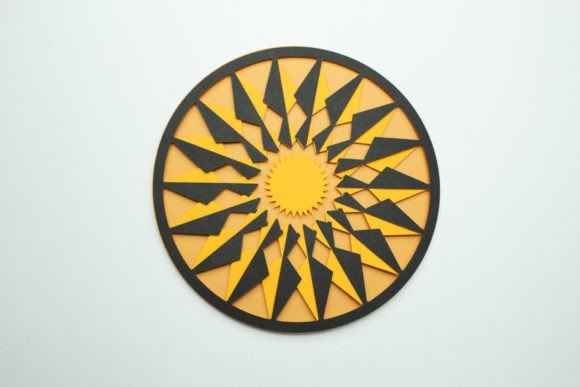
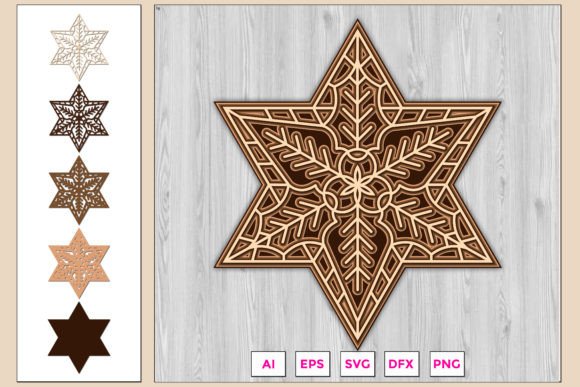
When a client approaches me with a request to blend heritage aesthetics with contemporary functionality, the selection of the right graphic design asset becomes critical. Recently, I reviewed the Pennsylvania Dutch Hex Sign - Four Points Star for a boutique home goods brand launching a new line of artisanal wall decor and functional timepieces. The objective was to create marketing visuals and packaging that felt authentically handcrafted yet polished enough for a modern creative marketplace. My first impression of this specific four-point star template was that it successfully bridges the gap between traditional folk art and clean vector geometry. Unlike many distressed or overly complex vintage clipart files, this asset maintains crisp lines that suggest precision, making it surprisingly viable for projects involving clocks and mechanical themes where symmetry is paramount.
The mood this illustration evokes is one of protection, balance, and domestic warmth. For a handmade business or small business branding project, these emotional triggers are invaluable. However, as a professional designer, I look beyond the initial charm to assess technical viability. This digital product feels less like a flat sticker and more like a structural element. When categorized under clocks, it makes sense because the four-point radial symmetry mimics clock faces and compass roses, offering a natural foundation for dial design or hourly markers in custom timepiece projects.
Performance Across Packaging, Merchandise, and Digital Layouts
In real-world application, the versatility of this Pennsylvania Dutch Hex Sign - Four Points Star determines its ROI for a client. During my concept phase for the home goods brand, I tested this SVG design across multiple touchpoints. For packaging design, the vector format allowed me to scale the star pattern to wrap around cylindrical candle jars and box sleeves without pixelation. The geometric nature of the four points provided excellent alignment guides, ensuring that the brand identity remained consistent across different container sizes.
For print-on-demand sellers and Etsy product creators, this asset shines in sublimation design and t-shirt design. I placed the star on a dark navy tote bag mockup, and the contrast was immediate and striking. Because the design relies on shape rather than intricate shading, it reproduces beautifully on fabric. Similarly, for Cricut project enthusiasts, the included DXF file ensures clean cut lines for vinyl decals. I found that when used as a central motif on a mug or coaster, the hex sign acts as a focal point that anchors the composition without overwhelming the viewer.
Digital applications were equally strong. In social media graphics and Pinterest pins, the bold silhouette reads well even at thumbnail sizes. I utilized the PNG design as an overlay on Canva template backgrounds for Instagram stories, creating a cohesive seasonal campaign visual. For web design and editorial layouts, the asset works exceptionally well as a divider or a background watermark when opacity is reduced. It adds texture and cultural context to blog visuals without competing with body copy, maintaining a professional visual hierarchy.
Strategic Placement: Maximizing Impact While Avoiding Visual Clutter
While this creative design is robust, it requires strategic placement to maintain professionalism. Through testing, I identified specific environments where the Pennsylvania Dutch Hex Sign - Four Points Star performs best. Large layout areas, such as hero graphics on websites or full-bleed poster designs, allow the geometry to breathe. The negative space within the star’s points is just as important as the positive space; cramming this asset into tight margins destroys its elegance. It serves perfectly as a decorative accent on product labels or as the primary visual in themed collections centered on heritage, autumn, or homesteading.
Conversely, designers must exercise caution in certain contexts. This asset should be used carefully in minimalist branding or corporate materials where the folk art association might confuse the brand message. It is not suitable for high-density information layouts, such as complex data tables or fine-print legal disclaimers. The intricate cultural coding of a hex sign carries weight; placing it next to cluttered text or low-contrast backgrounds diminishes its impact and can make the design look amateurish. Furthermore, while it fits the "Clocks" category structurally, avoid using it as actual hour markers unless the typography is carefully selected to match the folk aesthetic. A sleek, ultra-modern sans-serif font paired with this traditional star creates cognitive dissonance that harms brand trust.
Technical Due Diligence for Commercial Design Workflows
Before committing this graphic design asset to a paid client project, rigorous technical validation is non-negotiable. You will receive this beautiful Pennsylvania Dutch Hex Sign – four points star template in the following formats: SVG, PDF, EPS, PNG, and DXF. Included in the download, you will receive a PDF with detailed instructions, which I highly recommend reviewing to understand layer structure and intended usage. As a designer, my first step is always to test the SVG editability. I opened the file in Adobe Illustrator to verify that paths are closed and nodes are optimized. This ensures that if I need to modify the star for a custom logo design or adjust stroke widths for large-format printing, the file holds up without artifacts.
Next, validate the PNG transparency. Some clipart files claim transparency but retain white bounding boxes that ruin dark-mode web designs or colored merchandise. I composited the PNG over both black and white backgrounds to confirm true alpha channel integrity. For those planning commercial design work, checking the commercial license is mandatory. Ensure the terms cover your specific use case, whether that is selling physical products featuring the design or incorporating it into a digital design bundle for resale.
Typography pairing is another practical consideration. I tested the hex sign against various typefaces. Serif fonts with slight rustic characteristics harmonized best, reinforcing the heritage vibe. Handwritten scripts added a personal touch suitable for wedding invitations or greeting cards but risked looking messy if the script was too ornate. Clean sans-serif fonts worked only when the star was treated as a purely geometric abstraction rather than a cultural symbol. Always preview the combination at actual print size; what looks balanced on a 27-inch monitor may feel heavy on a 4x6 inch postcard.
Assessing Value for Creative Professionals and Small Businesses
Ultimately, the decision to integrate the Pennsylvania Dutch Hex Sign - Four Points Star into a workflow depends on the project's narrative goals. For a client seeking authentic connection to tradition, craftsmanship, and rural aesthetics, this asset delivers significant value. It elevates printable design and marketing visuals above generic stock imagery by providing specific cultural resonance. The inclusion of multiple formats (SVG, EPS, DXF) demonstrates an understanding of diverse user needs, from professional brand identity work to hobbyist Cricut crafting.
However, value also lies in restraint. This is not a universal filler graphic. It is a specialized tool for storytelling. When used correctly in product mockups, sticker design, or seasonal campaigns, it signals quality and intentionality to the audience. It transforms a standard clock face into a piece of functional art and turns a simple paper label into a brand experience. For designers, marketers, and business owners, this asset represents a solid investment in visual vocabulary, provided it is deployed with respect for its origins and attention to technical detail. By treating this hex sign as a premium design element rather than mere decoration, you ensure the final output resonates with authenticity and professional polish.