3D 5 Layer Butterfly: A Designer’s Stitch Test
When evaluating a new machine embroidery design, my first question is never about how pretty it looks on a screen. I always ask: will this actually work when the needle hits the fabric? As someone who reviews digital assets for both personal crafting and commercial production, I approach the 3D 5 Layer Butterfly with a critical eye toward structural integrity and real-world application. This isn't just another flat graphic; it is a dimensional project that demands respect for layering, registration, and material choice. After analyzing the file structure and visualizing the stitch-out process, here is my honest assessment of how this design performs beyond the digital preview.
First Impressions: Dimensional Depth vs. Digital Promise
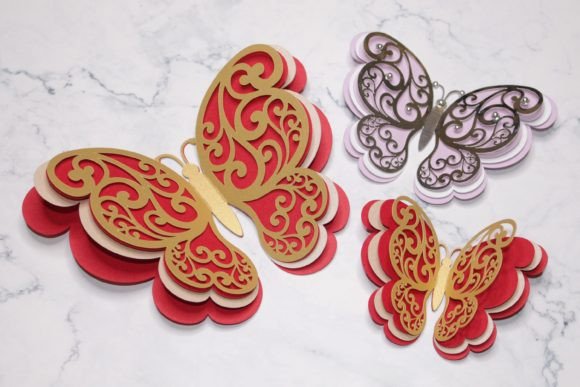
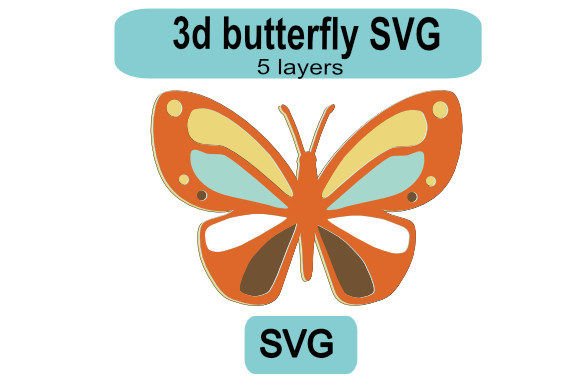
The immediate appeal of the 3D 5 Layer Butterfly lies in its architectural complexity. Unlike standard flat embroidery files, this design relies on the interplay of five distinct levels to create movement and shadow. Visually, it feels organic rather than mechanical. The shape avoids the stiff, symmetrical look that often plagues digitized nature motifs. Instead, the wings appear to have lift, suggesting a butterfly that has just landed or is preparing to take flight.
For an Etsy seller or boutique owner, this visual personality matters. Customers are drawn to texture. When they see a finished product with genuine depth, they perceive higher value compared to a standard satin stitch outline. However, as a designer, I immediately noted that this complexity requires patience. The separate layers mean multiple hooping adjustments or precise placement marks. It is not a "set it and forget it" design; it is an interactive embroidery project that rewards attention to detail.
Real-World Application: The Custom Tote Bag Test
To truly judge this asset, I mentally applied it to a high-use item: a heavy canvas tote bag. This is a staple for small shop products and craft fairs because it offers a large, stable surface area perfect for multi-layer designs. Canvas provides the necessary rigidity to support five layers of thread and stabilizer without puckering, which is critical for maintaining the 3D effect.
In this scenario, the 3D 5 Layer Butterfly serves as a focal point rather than a background filler. I envision using variegated threads for the upper wing layers to enhance the dimensional illusion, while keeping the base layer solid to anchor the design. For a personalized gift, this specific application shines because the tactile nature of the embroidery invites touch. When a customer runs their hand over the raised wings, the connection to the handmade product deepens. However, this also means the stitching must be durable. On a tote bag that will face daily wear, I would ensure the outer edges of each layer are secured with tight satin stitches or reinforced running stitches to prevent fraying over time.
Where Caution is Required: Fabric and Hoop Limitations
While the design excels on stable substrates, I must advise caution when applying the 3D 5 Layer Butterfly to stretchy or delicate materials. Knits, lightweight jersey, and sheer fabrics are generally poor candidates for five-layer stacking. The cumulative weight of the thread and required stabilizer can distort the garment, causing the fabric to sag or the design to tunnel. If you are planning sweatshirt embroidery or baby clothes, test extensively first. You may need to reduce the number of layers or use a lighter weight stabilizer to maintain the garment's drape.
Hoop size is another non-negotiable constraint. Because this is a layered composition, the final footprint might be larger than individual elements suggest. Always verify your machine’s maximum stitching area against the full assembled dimensions before purchasing. Additionally, curved surfaces like caps present significant registration challenges. Aligning five separate layers on a rounded, moving surface increases the risk of misalignment. For commercial embroidery businesses where efficiency equals profit, I would reserve this design for flat, stable items like patches, pillow covers, or aprons rather than risking wasted blanks on difficult hat placements.
Elevating Product Value Through Technical Precision
The difference between a hobbyist result and a professional finished product often comes down to stitch density and contrast. With the 3D 5 Layer Butterfly, thread color selection dictates whether the layers read as distinct planes or a muddy mess. Low contrast between layers flattens the 3D effect. I recommend testing color combinations in black and white mockups before stitching; if the layers blend together in grayscale, they will lack definition in thread.
Furthermore, consider the licensing and versatility. Since the listing mentions that each separate layer can be used individually, this dramatically increases the ROI for digital product sellers and makers. You aren't just buying one complex butterfly; you are acquiring five simpler shapes that can function as standalone accents on cuffs, collars, or pocket corners. This flexibility allows for brand consistency across different product lines without repetitive design fatigue. Just ensure you confirm the specific license terms regarding selling finished items versus reselling the digital files themselves.
Designer Notes for a Successful Stitch-Out
Before loading this embroidery file into your machine for a client order or shop stock, follow these practical steps to ensure quality:
- Stabilizer Strategy: Use a cut-away stabilizer for any wearable or flexible item to support the weight of five layers. Tear-away is rarely sufficient for true 3D stacking unless the fabric is extremely rigid.
- Registration Marks: Since alignment is paramount, utilize basting boxes or alignment crosses if your machine supports them. If not, mark your fabric meticulously within the hoop.
- Density Check: Inspect the file in your editing software. If the combined layers exceed 0.4mm density in overlap areas, consider removing underlay from middle layers to prevent bulletproof stiffness.
- Test on Scrap: Never skip this step. Use the exact fabric and stabilizer combination intended for the final piece. A test on cotton muslin does not predict performance on minky or denim.
- Mockup Verification: Create printable mockups showing the design at actual size. Sometimes a 5-layer design looks perfect digitally but appears too dense or small when printed for customer approval.
Final Verdict for Makers and Sellers
The 3D 5 Layer Butterfly is a sophisticated addition to any digitizer’s library, provided it is treated with technical respect. It bridges the gap between simple applique designs and complex sculptural embroidery, offering a unique selling proposition for handmade shops. Its success depends entirely on matching the right substrate to the design’s structural needs. When executed correctly on appropriate materials, it delivers the kind of tactile, high-end aesthetic that justifies premium pricing and builds customer trust. Just remember: in dimensional embroidery, preparation is as important as the stitching itself. Verify your specs, test your layers, and let the dimensionality speak for itself.